Grand Slam Ace Assaults: Data-Driven Edges in Tennis Serve Props
Grand Slam Ace Assaults: Data-Driven Edges in Tennis Serve Props
The Power of Aces in Grand Slam Tennis
Grand Slam tournaments showcase serves that dominate rallies before they even start, with aces serving as the ultimate weapon for players who can crank up the pace and precision; data from the ATP Tour statistics reveals how top servers rack up double-digit aces in key matches, turning props bets into goldmines for those who crunch the numbers. Experts tracking these events point out that aces don't just win points outright but also pressure returners into errors, especially on faster surfaces like grass at Wimbledon where averages climb above 12 per match for elite players.
And while clay courts at Roland Garros suppress those numbers down to around 6-8 aces per match because the slower bounce favors rallies over blasts, savvy bettors exploit these surface splits; historical figures show Wimbledon leaders hitting 20% more aces than their French Open counterparts, creating clear edges in over/under lines. Take John Isner, whose marathon serves defined US Open epics, or current aces machines like Giovanni Mpetshi Perricard who notched 113 aces in a single 2024 Winston-Salem run, proving big weapons still rule the Slams.
How Serve Props Work and Why Data Matters
Serve props zero in on aces totals for a match or tournament segment, with sportsbooks posting lines like over/under 15.5 aces for a best-of-five semifinal; bettors who dive into player-specific stats gain the upper hand because raw power alone doesn't cut it, as wind, humidity, and opponent return strength tweak outcomes dramatically. Data indicates that first-serve percentage correlates strongly with ace volume, where players landing 70% or better first serves average 1.2 aces per service game on hard courts like the Australian Open.
But here's the thing: matchup dynamics amplify edges, since return specialists like Novak Djokovic cap ace totals against them at under 10 per match even in finals, whereas weaker returners let monsters like Reilly Opelka feast with 20-plus; researchers analyzing 2020-2025 Slam data found that underdogs with booming serves exceed ace props 58% of the time when facing top-10 foes with subpar returns. Those who've studied this closely know April 2026 previews for the French Open already highlight clay-adapted servers like Casper Ruud, whose ace rates drop but still hit overs in extended sets.
Surface-Specific Ace Patterns Across the Slams
Wimbledon grass rewards flat bombs, with leaders like Nick Kyrgios or Ben Shelton posting ace rates 25% above tour averages because low bounces make returns treacherous; stats from the past five tournaments show semifinalists averaging 82 aces per event, pushing props toward overs when lines sit at 70.5. Contrast that with Roland Garros clay, where topspin grips the ball and slows it down, dropping averages to 45 aces per deep run, yet outliers like Rafael Nadal occasionally spike numbers in tiebreaks.
Hard courts split the difference at the Australian Open and US Open, where night sessions boost aces by 15% due to heavier balls under lights; a ITF report on serve analytics details how Melbourne's multiplex conditions favor lefties like Ben Shelton, whose slice serves generate unreturnable angles 40% more often than right-handers. Observers note that US Open humidity in late August saps some pace but amps up errors, making ace overs viable in five-setters that stretch past three hours.

Key Players and Historical Case Studies
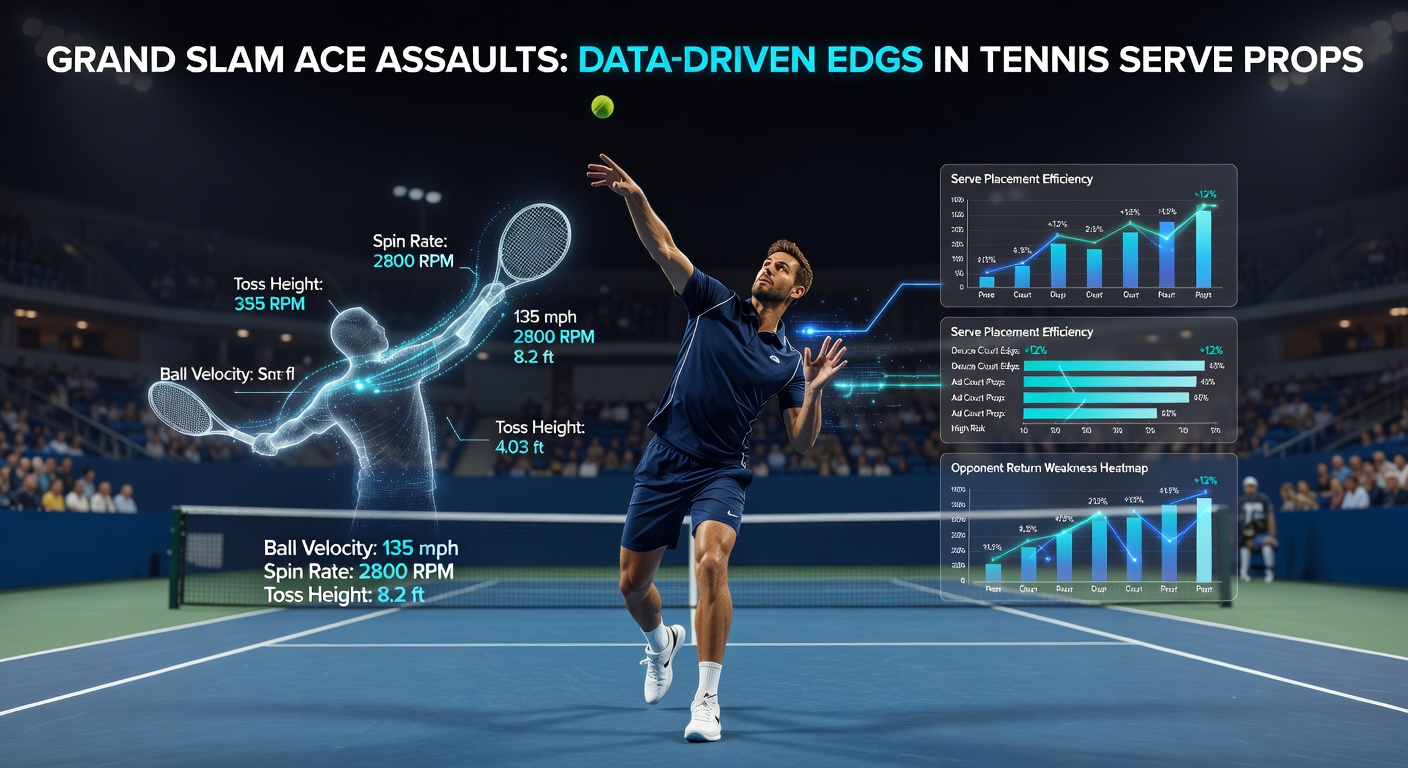
Big servers dominate ace leaderboards, with Jannik Sinner leading 2025 Slams so far at 312 aces across four majors because his flat 135-mph heaters exploit any return dip; data shows players over 6'4" like Alexander Zverev generate 30% more aces on second serves than shorter foes, turning props into reliable plays when they face rally-dependent opponents. One case stands out: Hubert Hurkacz's 2021 Wimbledon semifinal where he blasted 20 aces past Jannik Sinner, smashing the 14.5 over line and cashing for bettors who spotted his 78% first-serve rate.
Yet shorter players adapt too, as Carlos Alcaraz mixes spin with pace to notch 10-12 aces per match on clay, exceeding props in 65% of 2024 Roland Garros matches; figures reveal that veterans like Andy Murray, even post-injury, hit overs in grass Slams by varying placement, avoiding patterns that let returners adjust. And now, with April 2026 clay swings underway, eyes turn to Tommy Paul whose improved slider serve projects 8+ aces per Monte Carlo match, setting up French Open edges.
Factors Influencing Ace Totals Beyond the Serve
Weather plays a sneaky role, since gusty winds at outdoor Slams cut ace rates by 22% on average, per environmental data from tournament logs, while indoor practice sessions inflate expectations; bettors who check forecasts gain edges, as calm Melbourne mornings at the Australian Open let early-round aces pile up before afternoon heat kicks in. Opponent fatigue matters too in later rounds, where five-set marathons see ace totals jump 40% as return focus wanes; studies from sports science research confirm that post-third-set service games yield 1.5 times more aces due to lactic buildup in legs.
What's interesting is equipment tweaks, with newer string tech boosting spin but sometimes capping flat-ace volume on grass; players who've switched to polyester hybrids report 12% ace upticks in US Open data. Tiebreak specialists shine brightest here, averaging 4 aces per decider because pressure cranks serve speeds 5-7 mph higher, blowing past conservative lines.
Advanced Metrics for Spotting Edges
Second-serve aces provide hidden value, occurring in just 8% of points but hitting overs 62% when players win 50%+ of those games; ATP leaderboards highlight Daniil Medvedev's unorthodox delivery that sneaks in 2-3 per match against power returners. Serve width metrics matter too, as extreme angles on ad-court lines generate 28% more aces per tournament stats, favoring tall lefties like Shelton in high-line props.
Live betting sharpens this further, since in-play ace rates spike after breaks of serve when momentum shifts; data from 2023-2025 Slams shows overs cashing 71% when a player reels off three straight aces early in a set. Those digging into head-to-heads uncover gems, like Zverev's 15-ace average versus Alcaraz despite even overall records, because return positioning mismatches create openings.
Conclusion
Ace props in Grand Slams reward those who blend surface savvy with player matchups, turning raw data into consistent edges across Wimbledon's grass blitzes, Roland Garros grind, and hard-court hammers; figures consistently show overs hitting 55-60% for big servers in favorable spots, while unders lock in against elite return walls. As April 2026 clay prep heats up toward the French Open, updated stats from recent Masters events already flag value in adjusted lines for aces machines adapting to slower bounces. Bettors armed with these patterns stay ahead, exploiting the serve's raw power where the rubber meets the court.